Cyprus is an easy island to travel: English is widely spoken, the south uses the euro, plugs are the British three-pin type, and the main roads are good. A few things — the division of the island, driving on the left, the summer heat — are worth understanding before you arrive.
Entry and documents
The Republic of Cyprus is in the EU but not in the Schengen area, so there are passport checks on arrival even from other EU countries (EU citizens can use a national ID card). Visa rules depend on your nationality; check the official Republic of Cyprus sources before you book. If you plan to visit the north, carry your passport or ID card at the crossing points. Rules can change; always confirm with official sources.
Money and costs
- South: euro (€). Cards are accepted almost everywhere; ATMs are common.
- North: Turkish lira; euros, sterling and cards are often accepted in tourist areas, sometimes at a less favourable rate.
- Typical costs: a taverna meze for two often costs around €40–60 with wine; an Intercity bus fare is a few euros; archaeological sites typically charge a few euros. Prices rise in July and August, especially for hotels.
- Tipping: around 10% in restaurants is appreciated if service is not included.
| Topic | Republic of Cyprus (south) | North |
|---|---|---|
| Currency | Euro (€) | Turkish lira (euros often accepted) |
| Driving | On the left | On the left |
| Plugs | Type G (UK three-pin), 230 V | Type G, 230 V |
| Emergency number | 112 / 199 | Check locally |
| Time zone | Eastern European Time (UTC+2, summer UTC+3) | Check locally |
| Languages | Greek and Turkish (official); English widely spoken | Turkish; English widely spoken in tourist areas |
Safety
Cyprus has low crime levels. The main risks are the sun and heat (drink water, avoid midday hiking in summer), sea conditions on exposed beaches, road safety on mountain roads, and wildfires in summer. Do not photograph military installations or UN positions along the buffer zone, and stay out of fenced military areas.
Etiquette
- Cover shoulders and knees in churches, monasteries and mosques; remove shoes in mosques.
- Cypriots are hospitable — accept a coffee if offered.
- The division of the island is a sensitive subject for many people; listen more than you talk.
Health
Tap water is generally safe in the south, though many people prefer bottled. EU visitors should carry their European Health Insurance Card; everyone should have travel insurance. Pharmacies are well stocked. Pack high-factor sunscreen and a hat.
Connectivity
Mobile coverage is good in towns. EU roaming rules apply in the south; the north is not covered by EU roaming, so check your tariff before crossing to avoid charges.
Food and drink
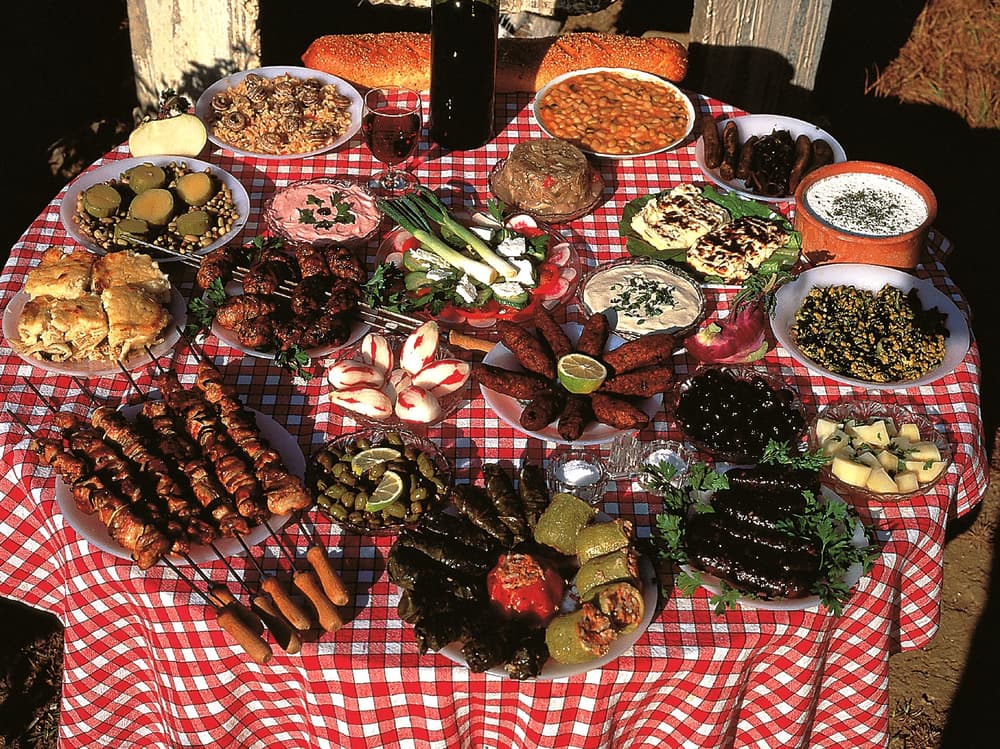
Order a meze — a long sequence of small dishes. Try halloumi (Cyprus’s own cheese), souvla and sheftalia from the grill, kleftiko (slow-baked lamb), koupepia (stuffed vine leaves), loukoumades and Cyprus delight (loukoumi). Local wines from the Troodos villages and the sweet Commandaria are worth seeking out, as are zivania (a grape spirit) and a brandy sour.
Packing
Summer: light clothes, sun hat, sunscreen, water shoes for pebble beaches. Spring and autumn: a light jacket for evenings and the mountains. Winter: layers and a rain jacket; warm clothes for the Troodos.
Accessibility
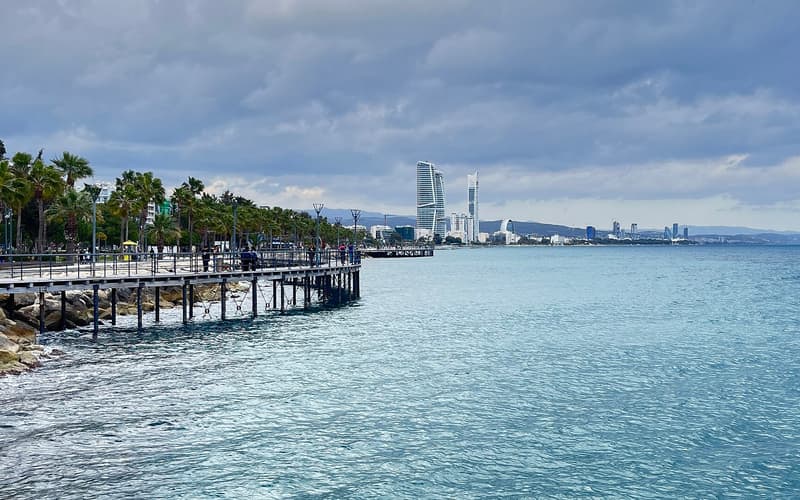
Seafront promenades in Paphos, Limassol, Larnaca and Protaras are flat and accessible; archaeological sites and old towns often have uneven surfaces. Some sites have wheelchair-friendly walkways — contact them in advance.
Where to stay
For bases and hand-picked hotels in every destination, see Where to stay in Cyprus.