Areas: where to base yourself
- Kato Paphos — the harbour, the sites, bars and restaurants on the doorstep. Best for a first visit without a car.
- Tombs of the Kings Road / Chloraka — big resort hotels on the rocky shore; a bus or taxi into town.
- Yeroskipou — east of town, hotels near the municipal beach; the village is known for loukoumi (Cyprus delight) and a five-domed Byzantine church.
- Coral Bay / Peyia — sandy beach and villas, quieter in the evenings; a car helps.
- Ktima (old town) — local life, the municipal market and cheaper rooms.
Food and drink
Order a meze — a long procession of small dishes — at a taverna, fish meze by the harbour. Look for halloumi, souvla (big cuts of meat grilled on skewers), kleftiko (slow-cooked lamb) and local wines from the hills above Paphos. The municipal market in Ktima has fruit, nuts and sweets.
Money-saving tips
- The archaeological sites charge only a few euros each.
- Many restaurants on the harbour front charge for the view; walk a street or two inland.
- Shoulder season (April–May, October) brings lower hotel rates and comfortable temperatures.
- Compare a tour with renting a car for a day if there are several of you.
Safety and practicalities
Paphos is a safe, easy-going town. The main risks are the sun and heat in July and August — carry water and start early — and strong currents on exposed beaches on windy days. Tap water is generally safe but many visitors prefer bottled. Shops and sites may close earlier in winter.
Sample plans
One day
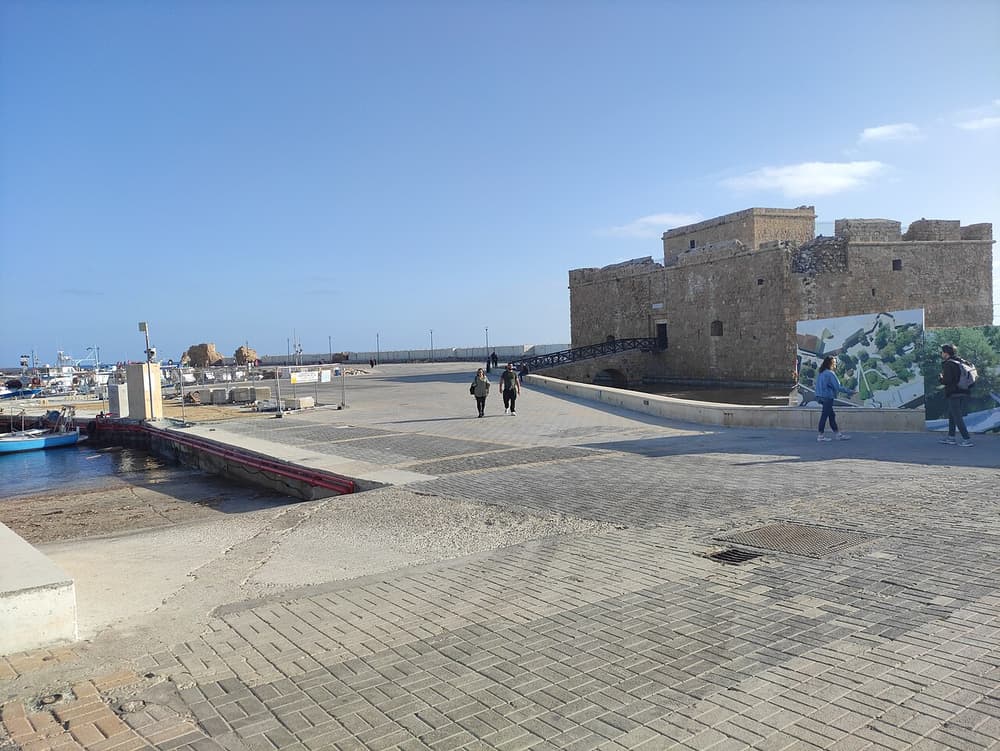
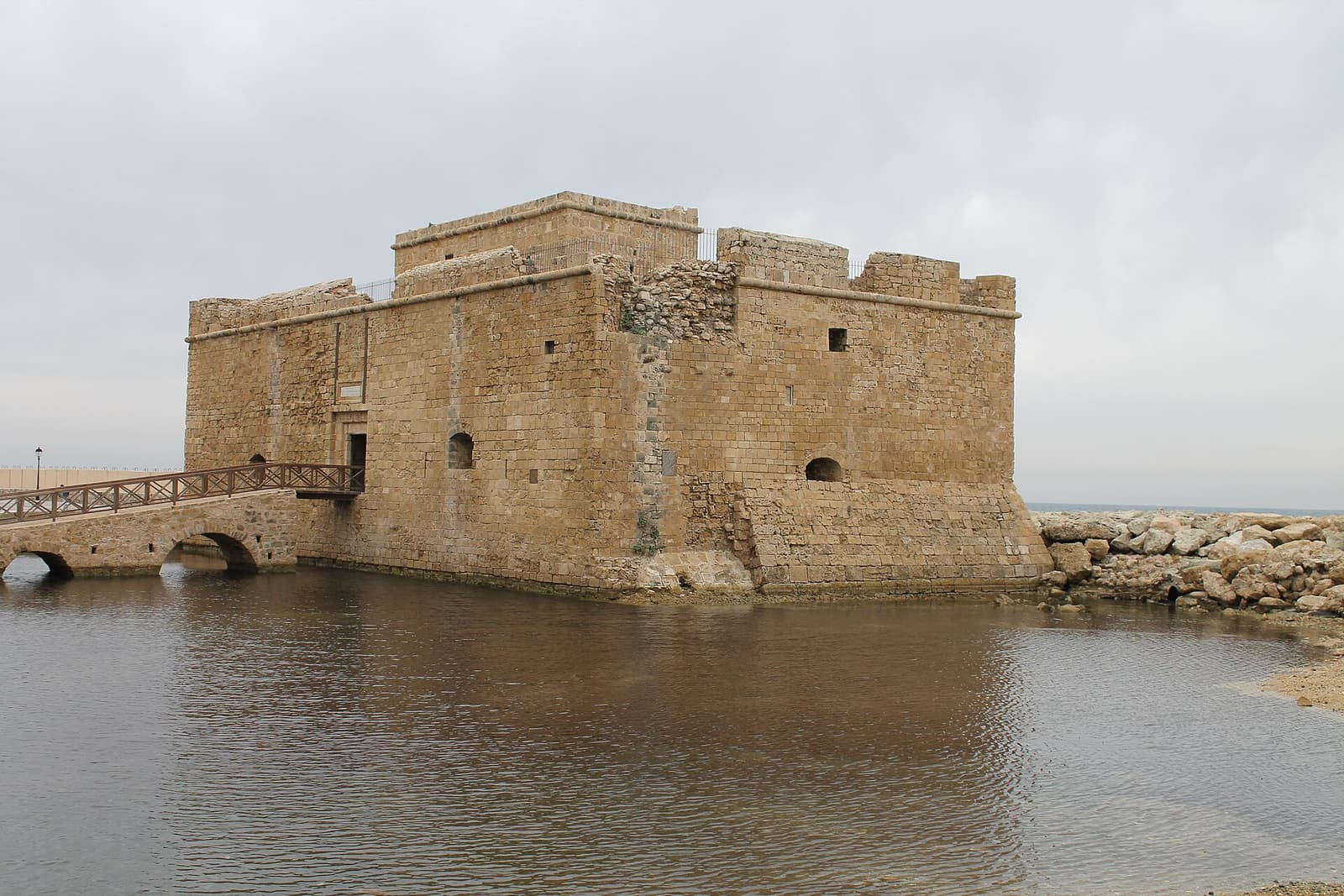
Morning at the Archaeological Park and the mosaics; lunch by the harbour; afternoon at the Tombs of the Kings; sunset at Paphos Castle.
Two days
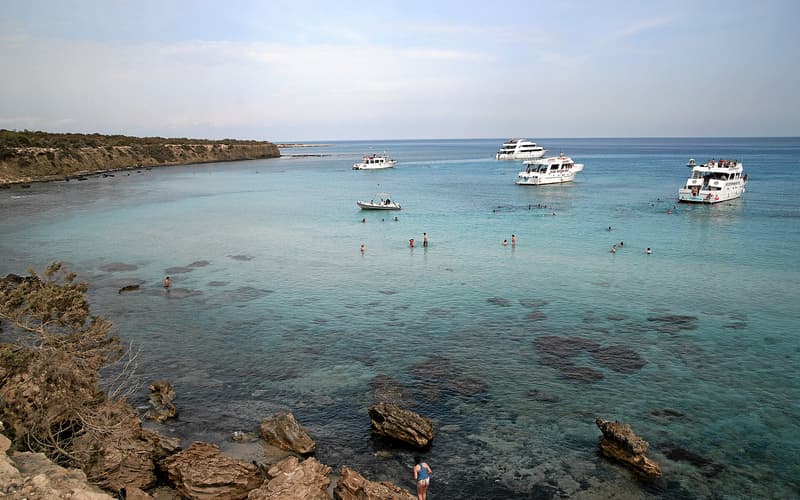
Day one as above, adding Ayia Kyriaki. Day two: a Blue Lagoon boat trip from Latchi, or Coral Bay and the sea caves.
Three days
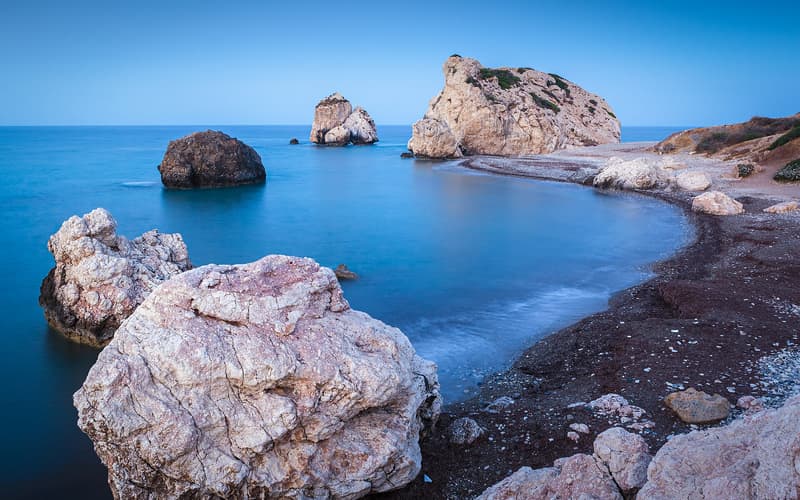
Add a day in the hills — the Troodos villages and a winery — or drive along the coast to Aphrodite’s Rock and Kourion.