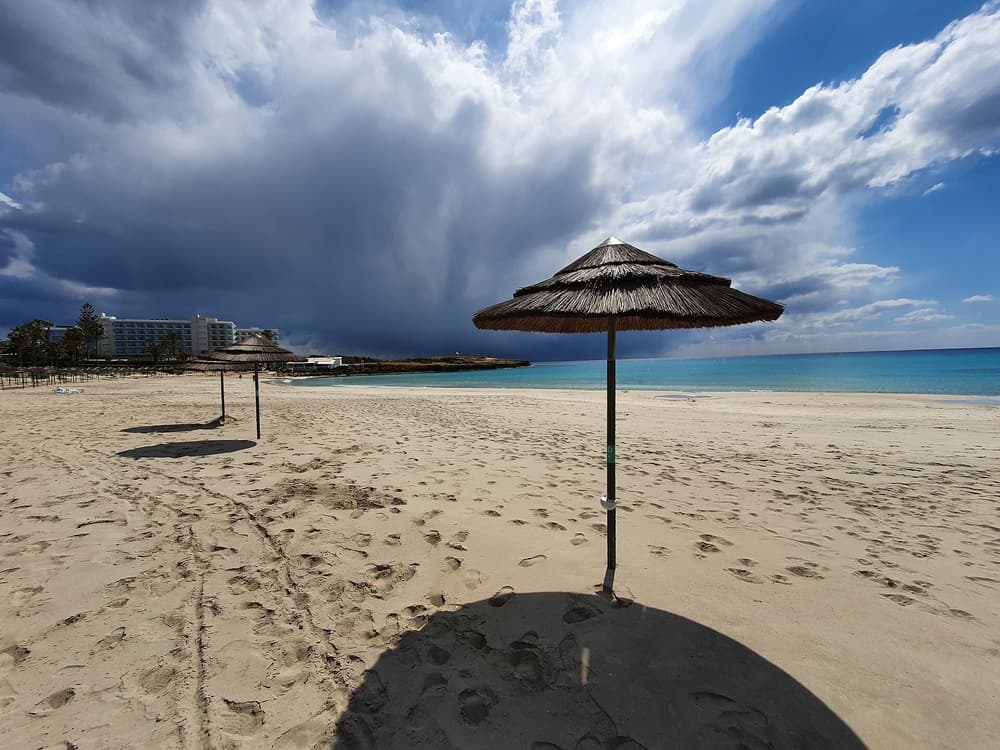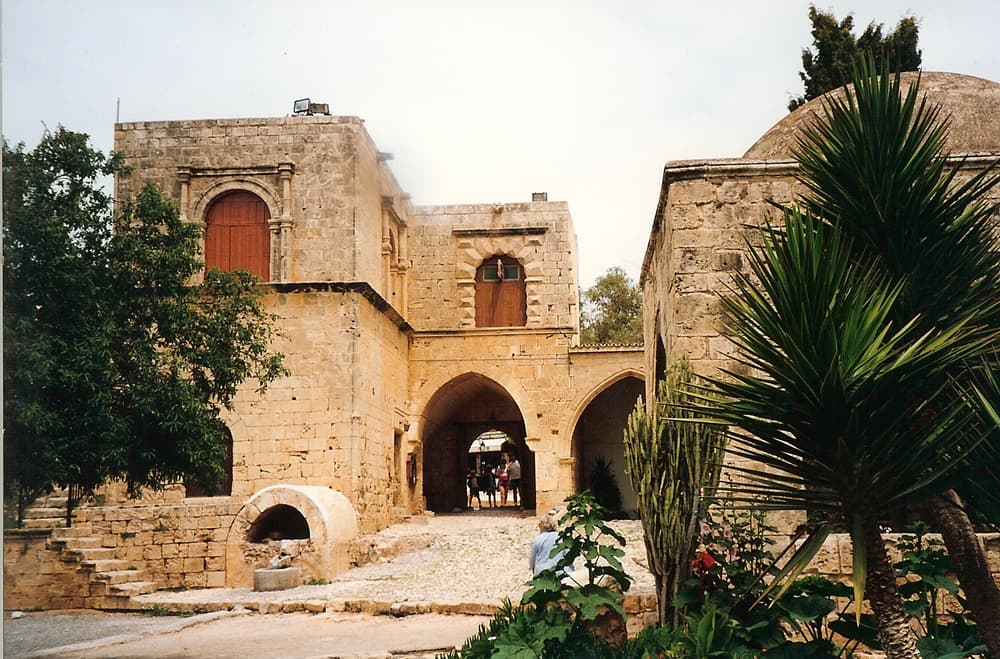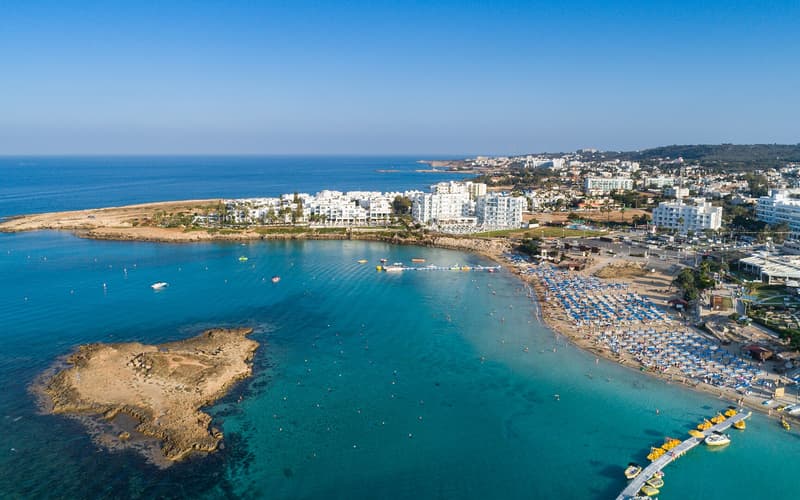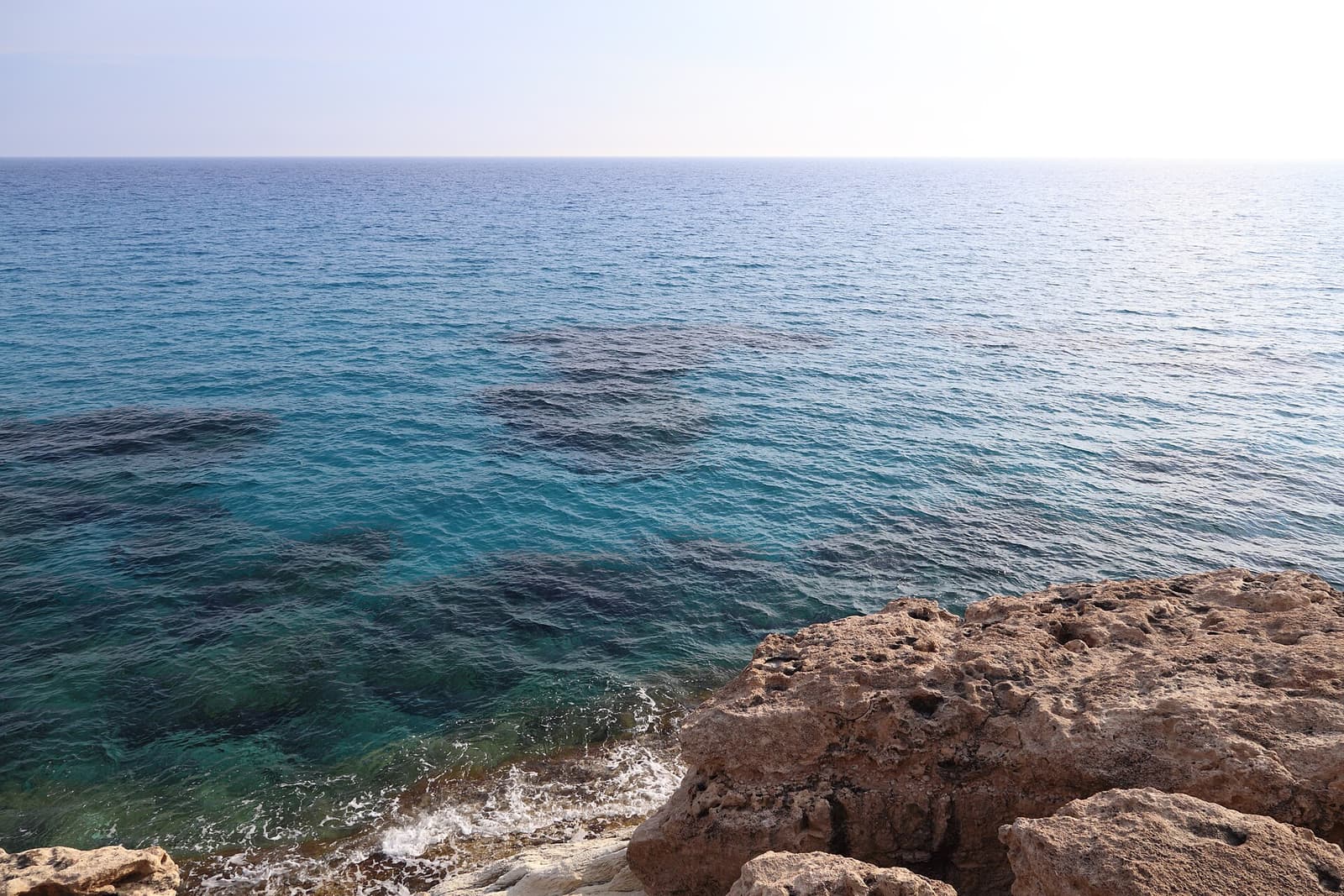
Ayia Napa grew from a small village around a sixteenth-century monastery into the island’s best-known beach resort. It has two personalities: in July and August the centre is packed with bars and clubs, while the rest of the year it is a family-friendly resort of fine sandy beaches — Nissi Beach, Makronissos, Landa and others — with water so clear it looks unreal.
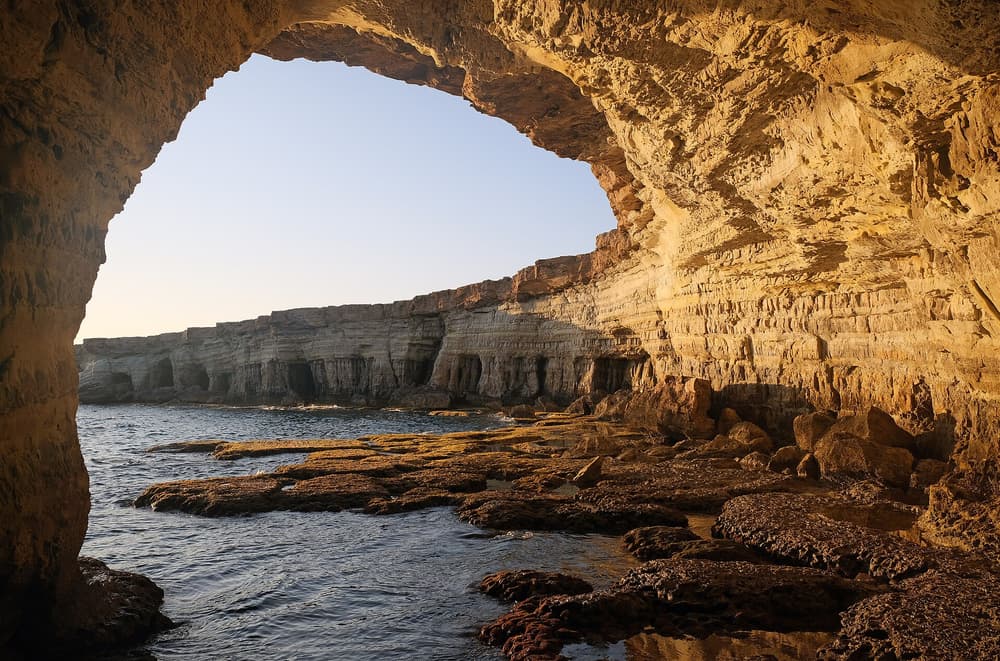
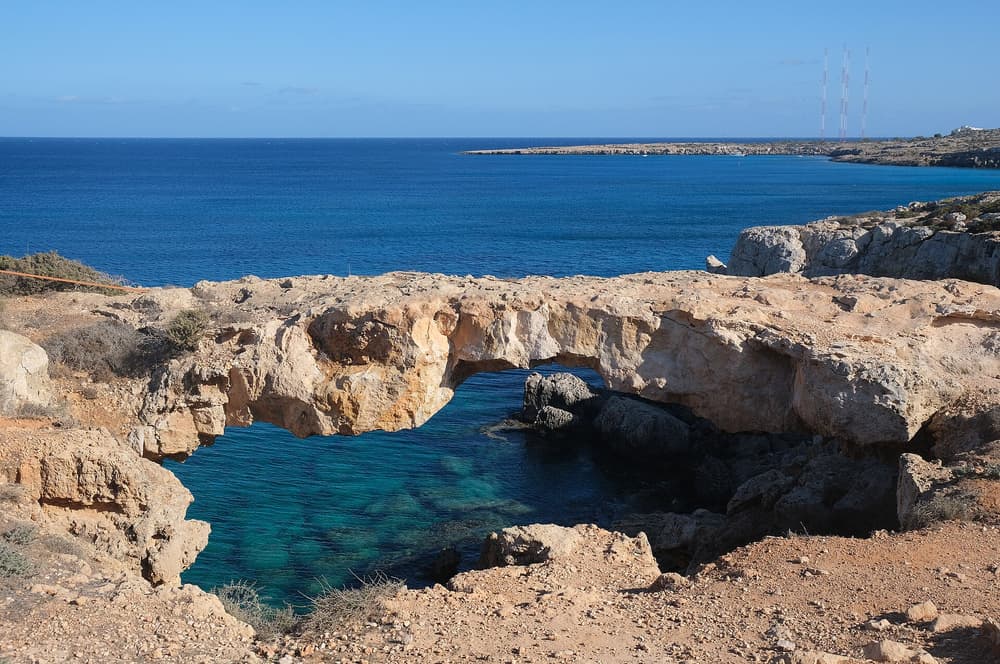
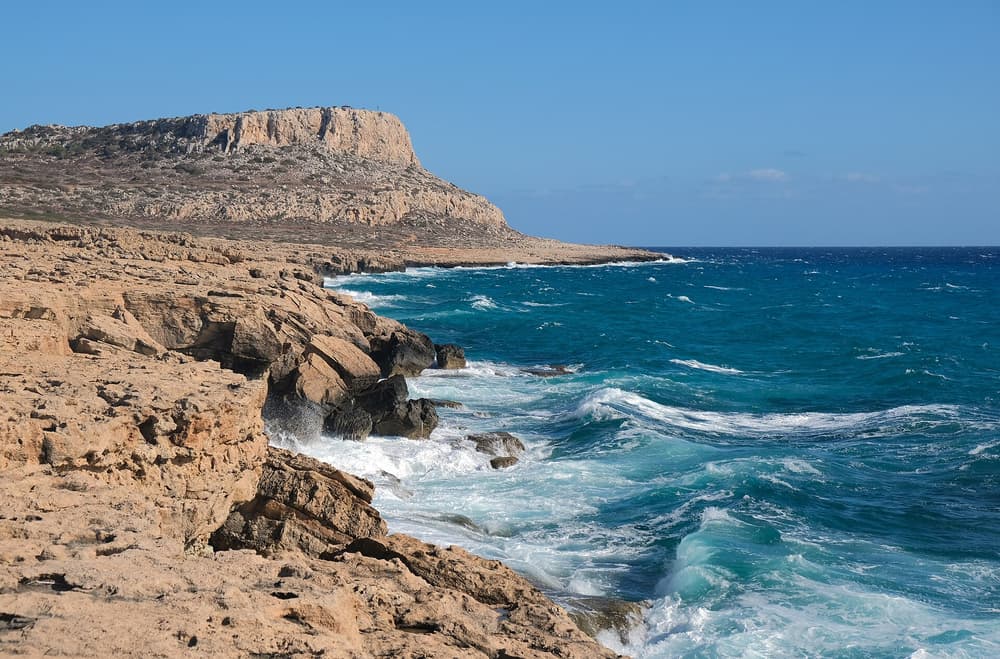
Just east of town, Cape Greco is a national forest park of low cliffs, sea caves, a natural rock bridge and walking and cycling trails, ending at the south-eastern tip of the island. Cruises from the harbour follow this coast to the Blue Lagoon and Turtle Cove. Protaras and its Fig Tree Bay lie on the other side of the cape, and Famagusta in the north is a short drive beyond.
Highlights
- Cape Greco — cliffs, sea caves, the natural bridge and lookout points.
- Nissi Beach — white sand and a sandbar you can wade across to a small islet.
- Boat cruises — along the cape to the Blue Lagoon and Turtle Cove.
- Ayia Napa Monastery — a peaceful Venetian-era monastery in the middle of town.
- Nightlife — the bar street and clubs that made the resort famous.
- Diving and snorkelling — caves and reefs off the cape.
Quick facts
| Where | South-east tip of the island (Famagusta district, Republic of Cyprus side) |
|---|---|
| Currency | Euro (€) |
| Airport | Larnaca (LCA), about 40–50 min |
| Ideal stay | 3–7 nights as a beach holiday |
| Best for | Beaches, boat trips, nightlife, Cape Greco walks |
| Getting around | Walk, local buses along the coast, bikes for Cape Greco |
How long to stay & where to base yourself
Ayia Napa is a beach-holiday base: three nights covers the cape, a cruise and the best beaches; many stay a week. Stay near Nissi Beach or Makronissos for the sand, near the harbour for cruises and restaurants, or in the centre if you want to be close to the nightlife (and accept the noise in summer). Families often prefer neighbouring Protaras.