Distances are short on the map but slow on the road — 30 km can take 45 minutes. Group your sights: Platres, Olympos and the waterfalls together; Kakopetria with Asinou and the northern churches; Kykkos on its own; Omodos with the wine villages; Lefkara on the way to Larnaca.
1 Panagia tis Asinou
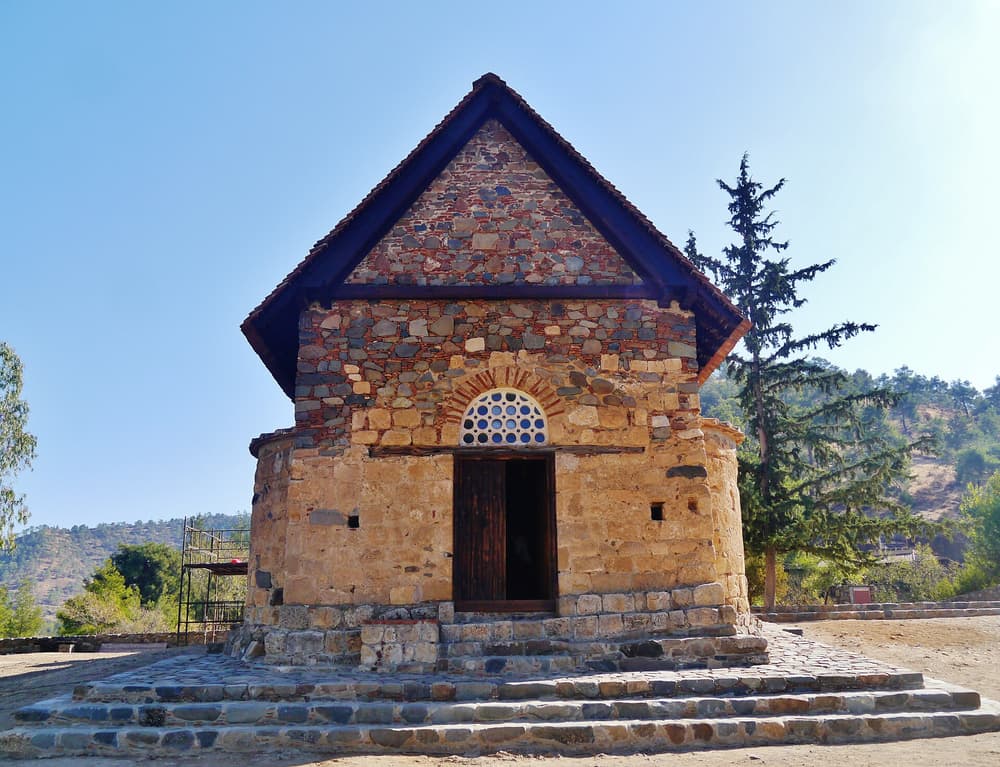
A small church with a steep, timber-and-tile roof in a quiet valley near Nikitari, its interior covered with frescoes from the early twelfth century onwards — among the finest Byzantine paintings in Cyprus and part of the UNESCO-listed group.
Practical: Opening hours are limited and vary; small donation or fee. Dress modestly; no flash photography.
2 Kykkos Monastery
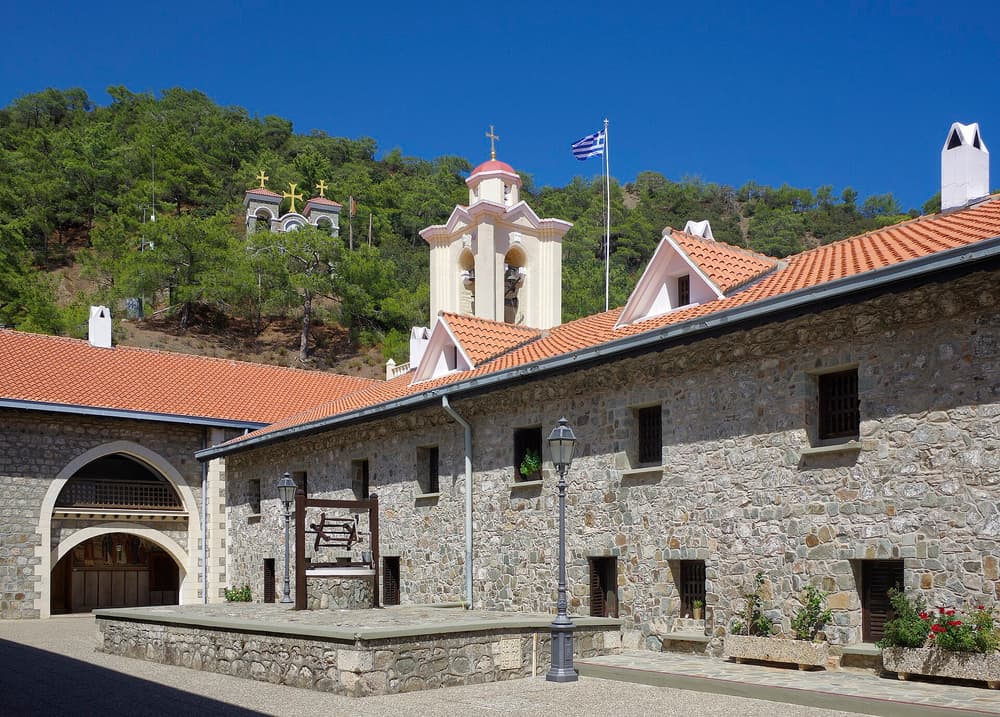
Founded around 1100 and rebuilt after fires, Kykkos is the wealthiest and most famous monastery in Cyprus, with mosaics and murals covering its courtyards and a museum of icons and church treasures. It holds an icon of the Virgin traditionally attributed to St Luke. Archbishop Makarios III, the first president of Cyprus, was a novice here and is buried on a hilltop nearby (Throni).
Practical: Free to enter the monastery; museum ticketed. Shoulders and knees must be covered. About 1 h 30 min from Paphos or Limassol.
3 Mount Olympos and the nature trails
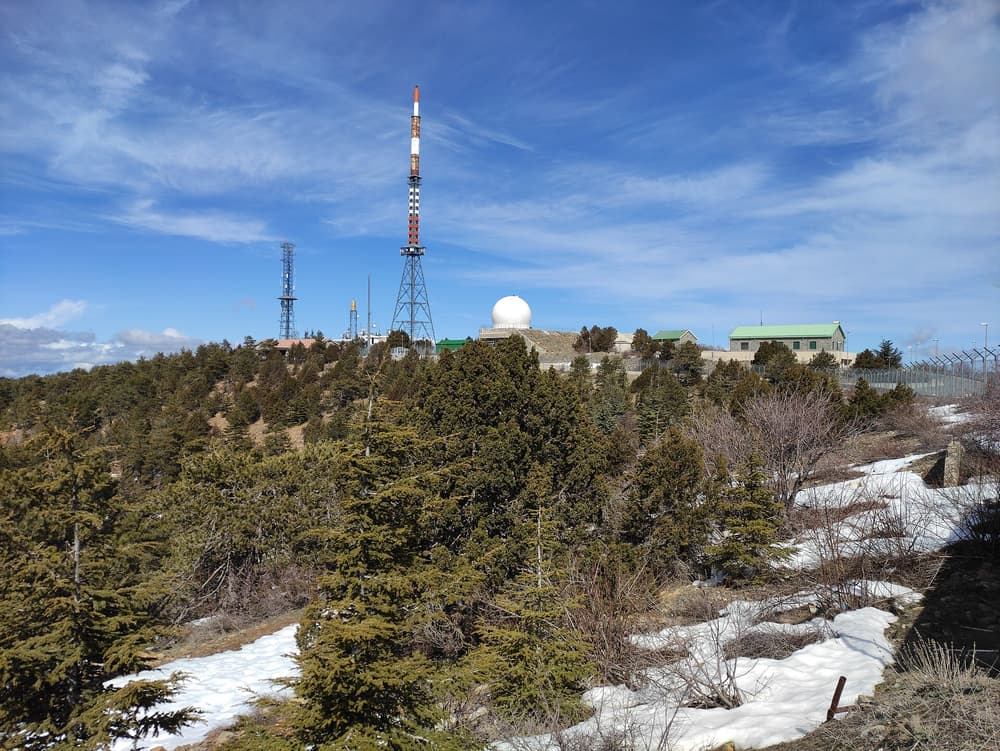
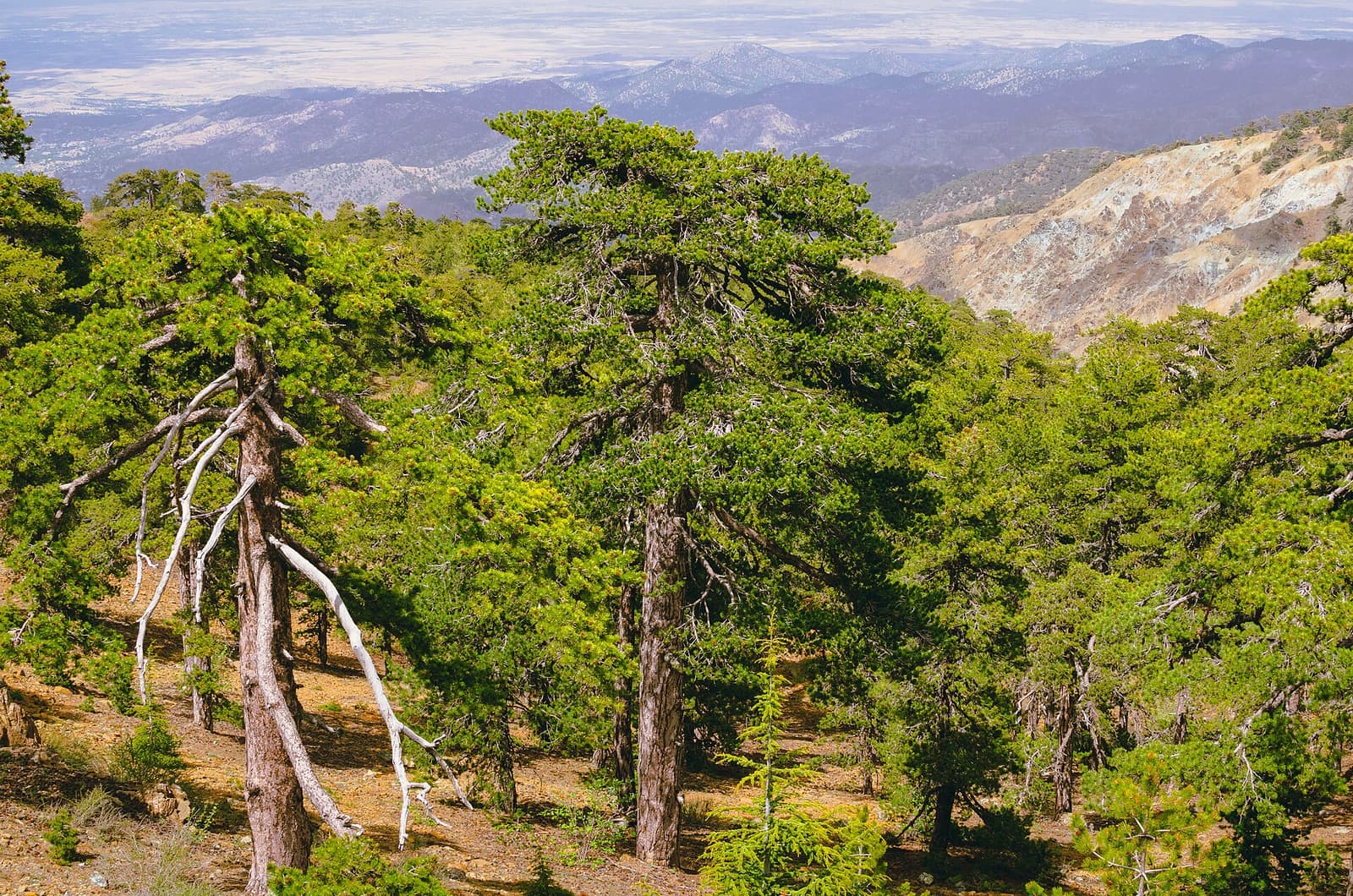
The summit itself is occupied by military and radar installations, but the area just below — Troodos Square and the trails around it — is the place for forest walks among black pine and juniper. The Artemis and Atalante trails circle the mountain with wide views; in winter the slopes are used for skiing.
Practical: Waymarked trails of a few hours each; carry water and a layer. Snow and ice possible from December to March.
4 Caledonia and Millomeris waterfalls
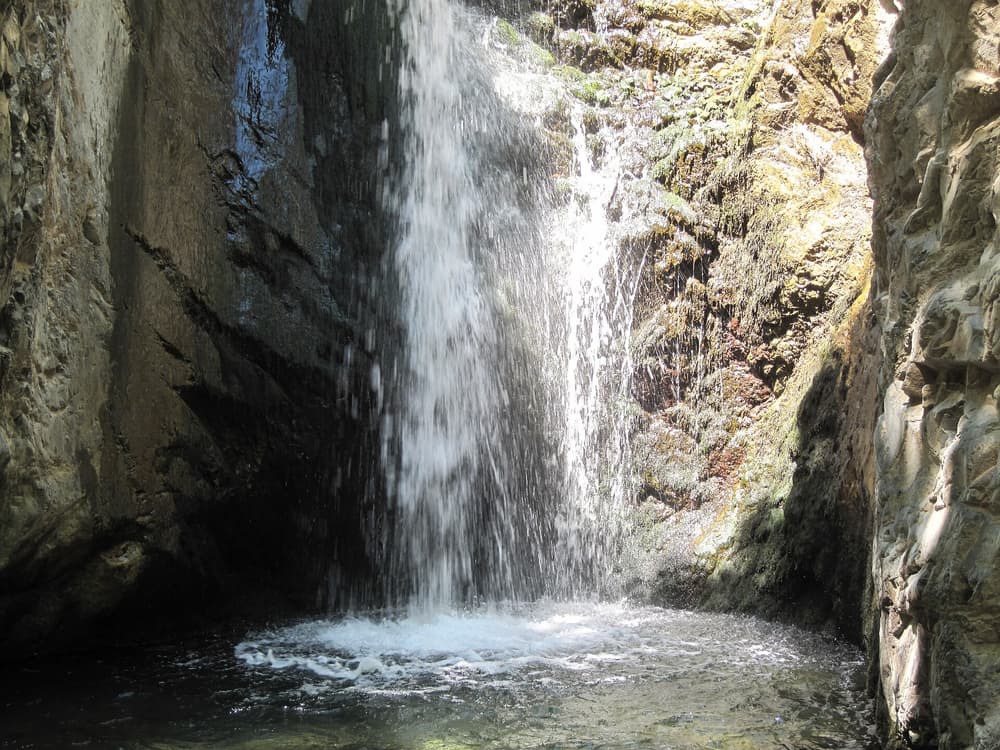
Two of the best-known waterfalls in Cyprus, both near Platres. Caledonia is reached by a shady trail along a stream (about 3 km one way from near Troodos); Millomeris is a shorter walk from the edge of Platres. Flow is strongest in late winter and spring.
Practical: Free. Wet, slippery rocks — wear proper shoes. Flow is reduced in late summer.
5 Omodos and the wine villages
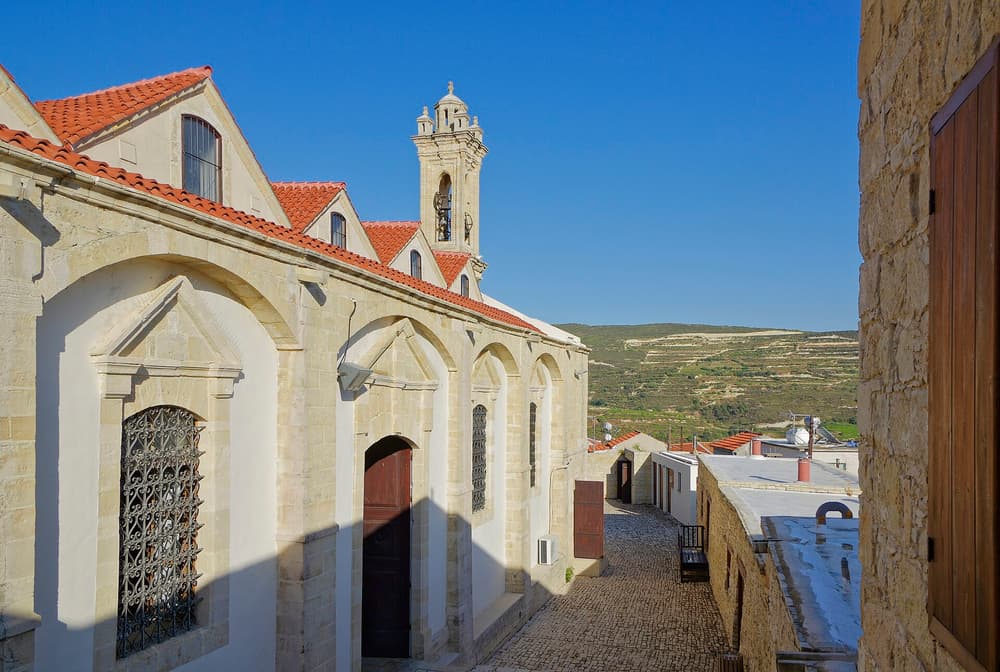
Omodos is built around the large Monastery of the Holy Cross, with a wide cobbled square, craft shops and wineries; nearby villages such as Vasa, Arsos and Koilani form the core of the Limassol wine region.
Practical: About 45 minutes from Limassol. Wineries usually welcome visitors for tastings; check opening times.
6 Lefkara
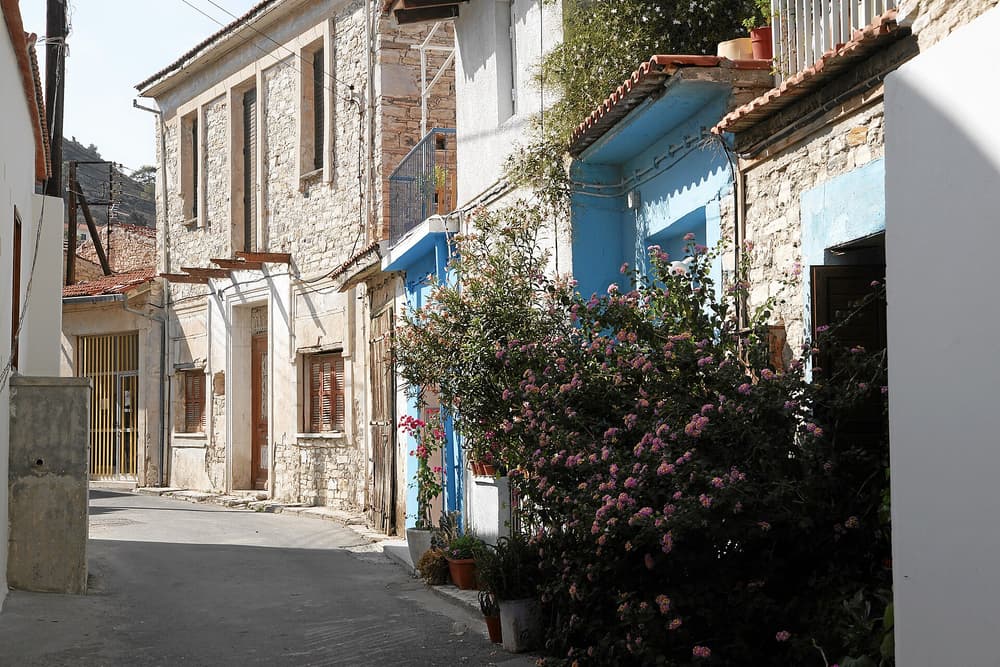
A hill village of honey-coloured stone in the eastern foothills (Larnaca district) famous for lefkaritika, hand-embroidered lace, and for silver filigree. Legend has it that Leonardo da Vinci bought lace here for Milan Cathedral. Lefkaritika is on UNESCO’s list of Intangible Cultural Heritage.
Practical: About 40 minutes from Larnaca or Limassol. Small lace and silver museum; shops along the lanes.
7 Inside the painted churches
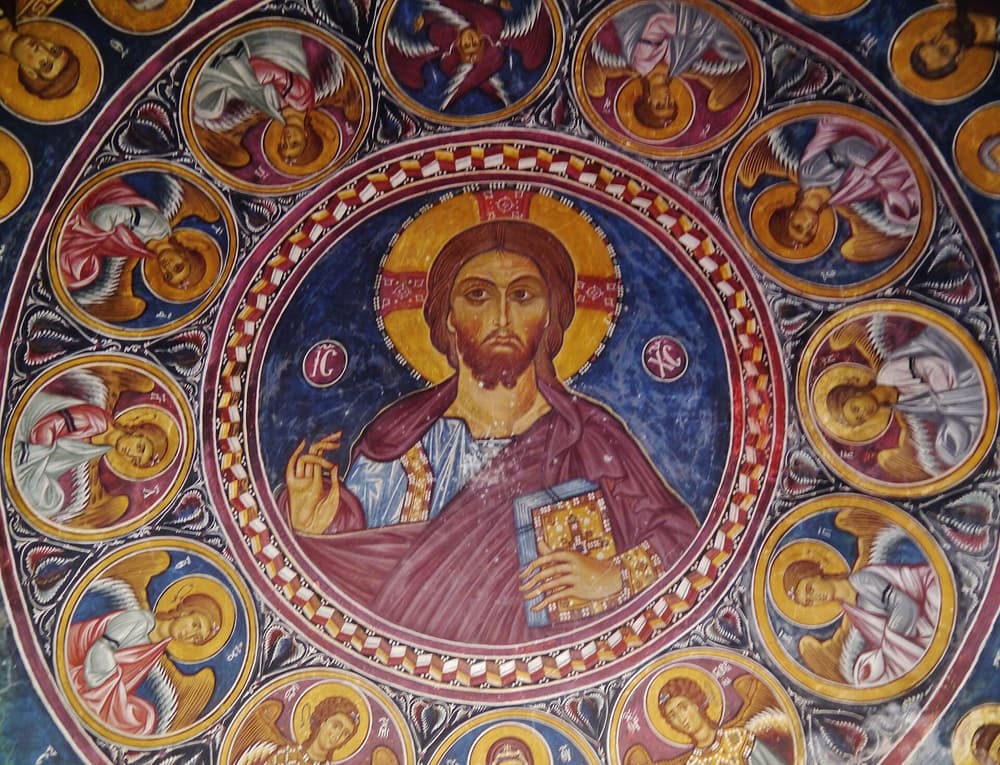
Several of the UNESCO churches — Agios Nikolaos tis Stegis near Kakopetria, Archangelos Michael at Pedoulas, Panagia Podithou at Galata and Stavros tou Agiasmati among them — hide vivid fresco cycles under their simple roofs. The steep wooden roofs were added to protect the buildings from snow and rain.
Practical: Hours vary and some churches need a key from the caretaker; a guided tour or a call ahead avoids disappointment.