Everything is within the walls or just outside, about a 20-minute walk across. Allow time for the crossing at Ledra Street (usually quick).
1 The Venetian walls and Famagusta Gate
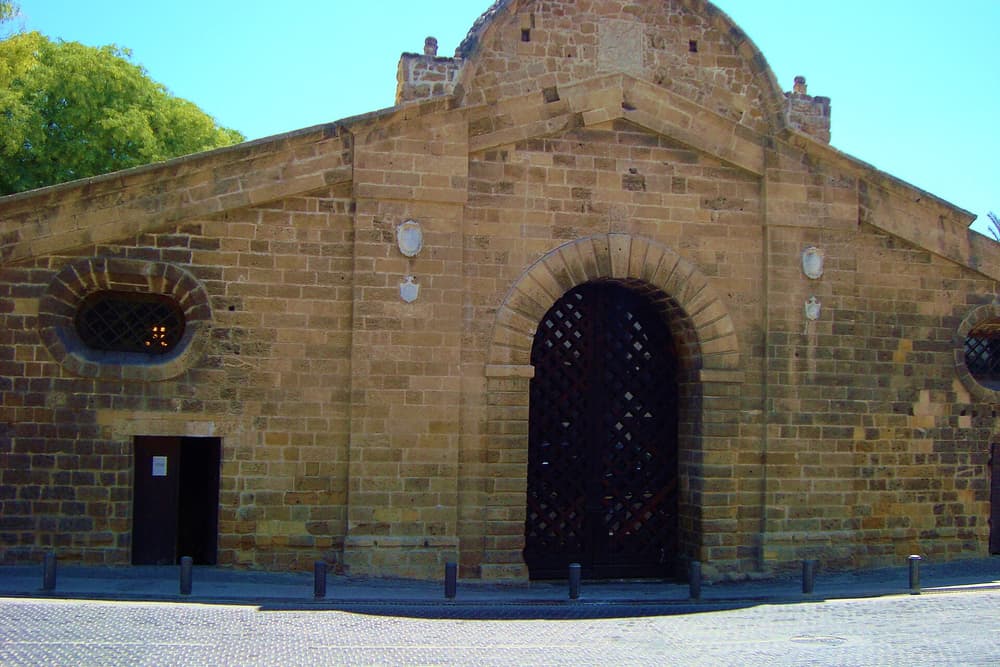
Built by the Venetians from 1567 to defend against the Ottomans, the walls form a ring nearly 5 km round with eleven bastions. Famagusta Gate, the main eastern entrance, has a long vaulted passage now used as a cultural centre; the moat below is partly parkland.
Practical: Free to walk around; the gate is open for exhibitions and events.
2 Ledra Street and the crossing point
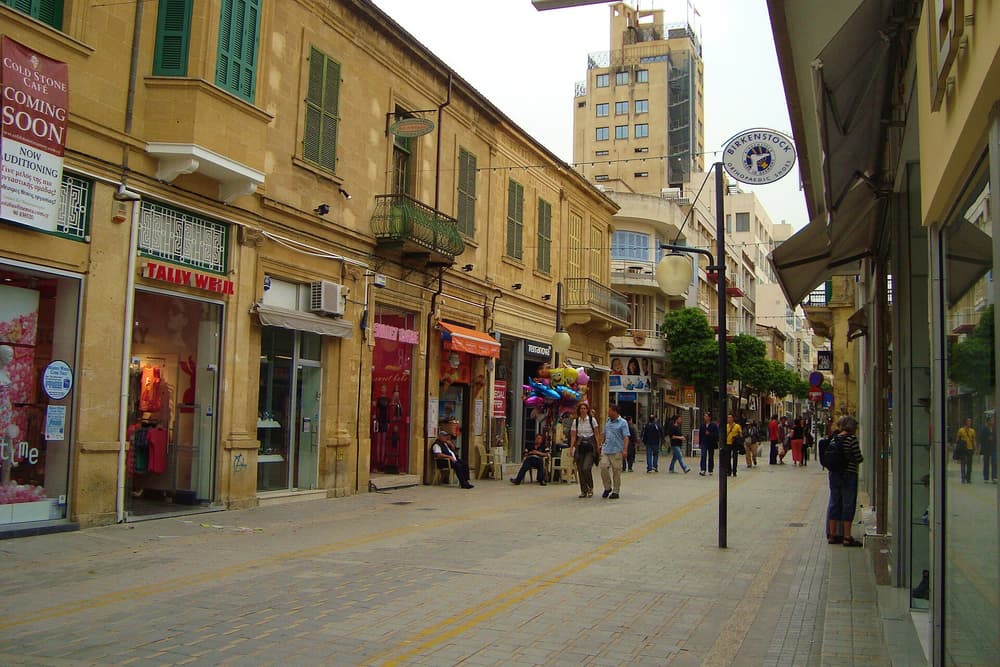
The main pedestrian shopping street of the old city runs north to the Green Line, where a crossing point opened in 2008. Passport or ID checks take a few minutes in each direction; on the other side the street continues as Arasta, leading to the Selimiye Mosque.
Practical: Open day and night; bring your passport or EU ID card. Rules may change — check before you go.
3 The Cyprus Museum
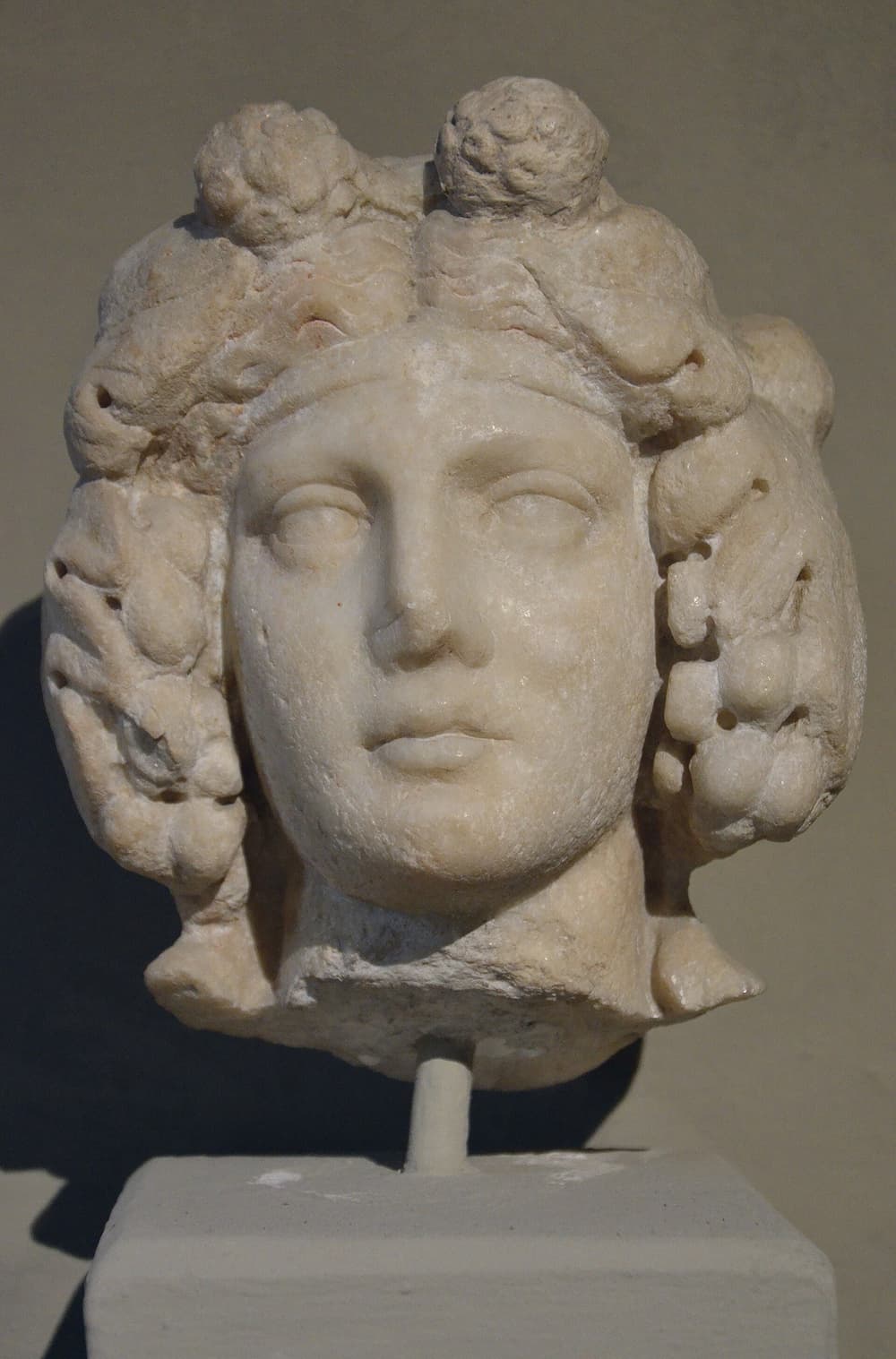
The island’s main archaeological museum, with treasures from every period: Neolithic figurines, the cross-shaped Chalcolithic idols, the hundreds of terracotta figures from Agia Irini, and Roman marble statues from Salamis, including an Aphrodite of Soli.
Practical: Just outside the walls near Paphos Gate. Ticketed; allow 1.5–2 hours. Check opening days.
4 Faneromeni and the old-town lanes
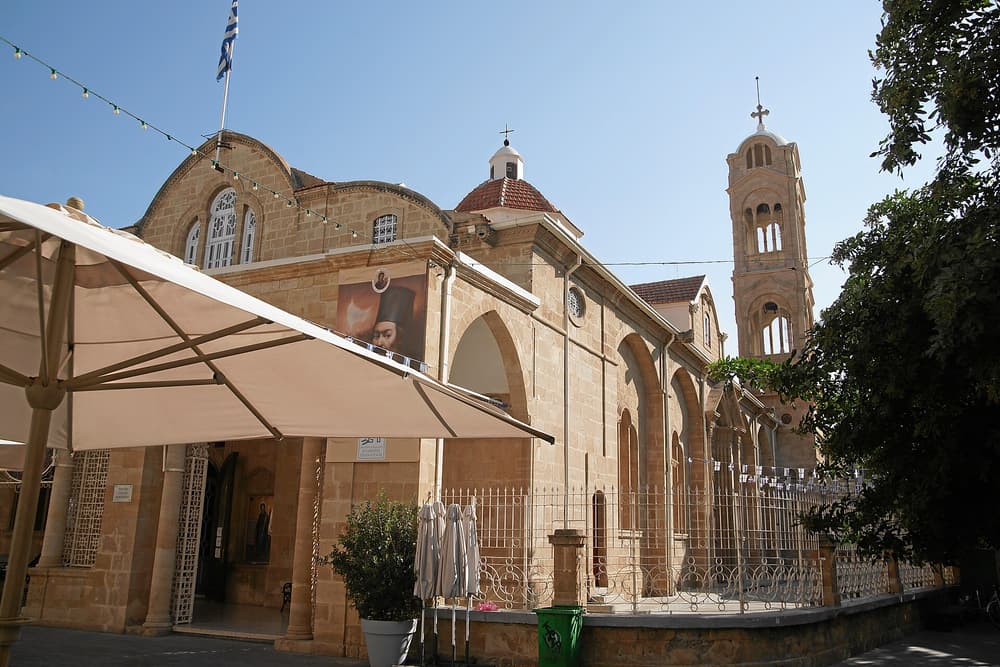
The large Faneromeni Church, built in 1872, anchors a square at the heart of the old town, surrounded by lanes of cafés, bars and small shops. Nearby, Laiki Geitonia is a restored quarter of traditional houses with tavernas.
Practical: Free; church in use, dress modestly.
5 Selimiye Mosque (St Sophia Cathedral)
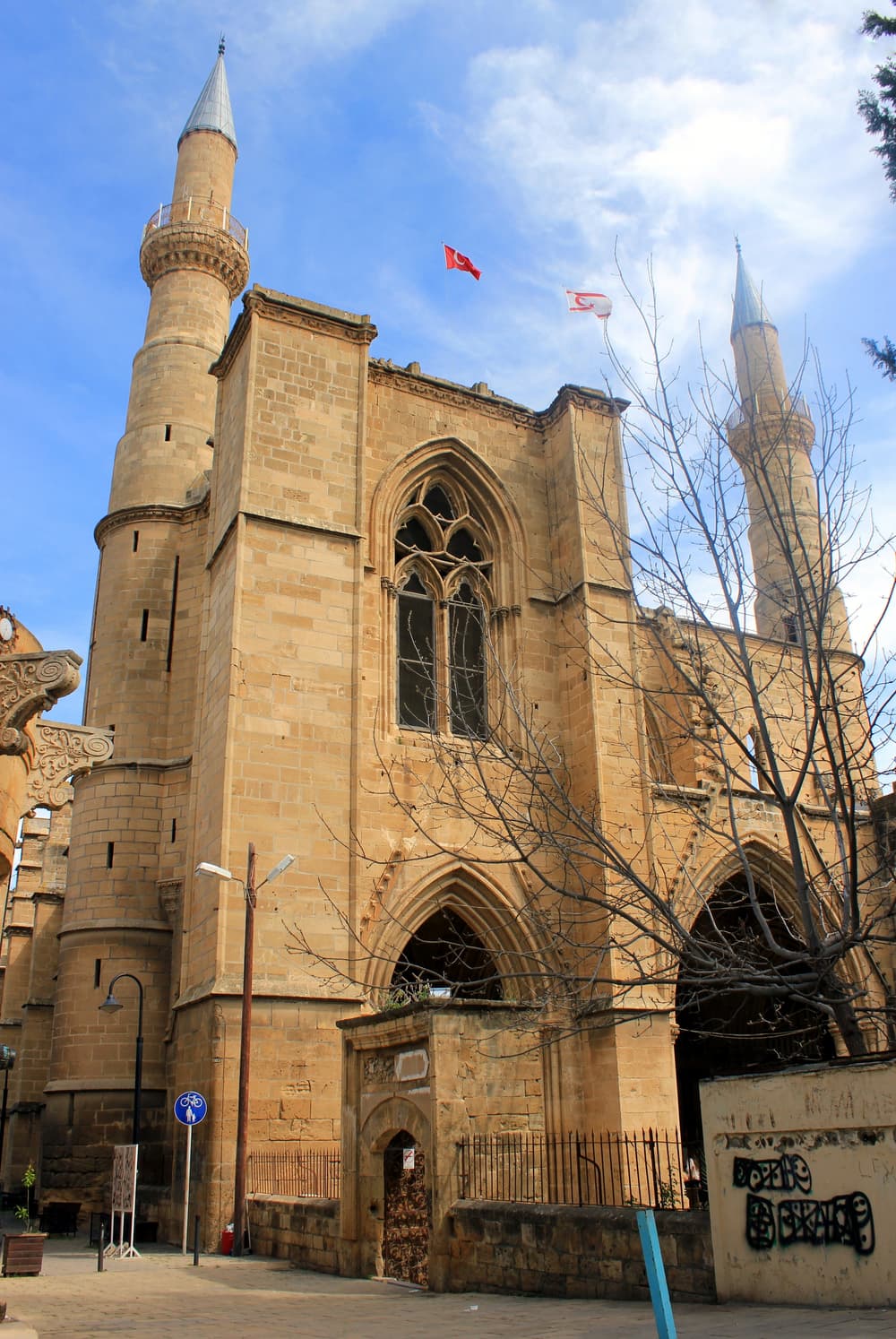
The Lusignan Cathedral of St Sophia, where the kings of Cyprus were crowned, was built in French Gothic style in the thirteenth and fourteenth centuries. After the Ottoman conquest in 1570 it became a mosque, and two minarets were added to its towers — a striking hybrid.
Practical: North side of the walled city. Free; visitors welcome outside prayer times; remove shoes and dress modestly.
6 Büyük Han
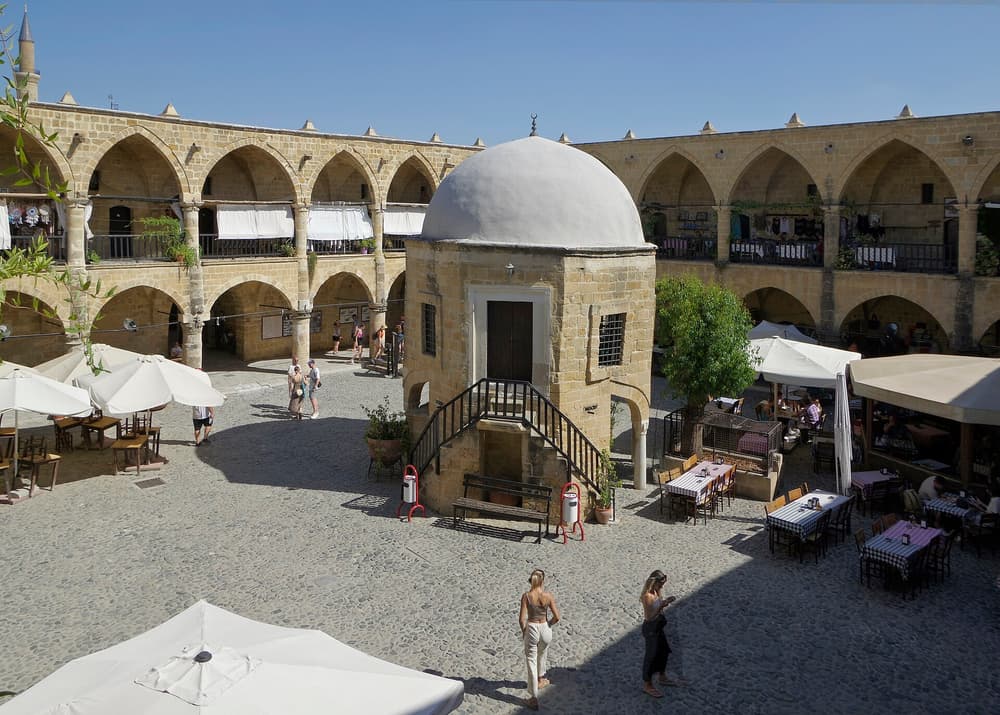
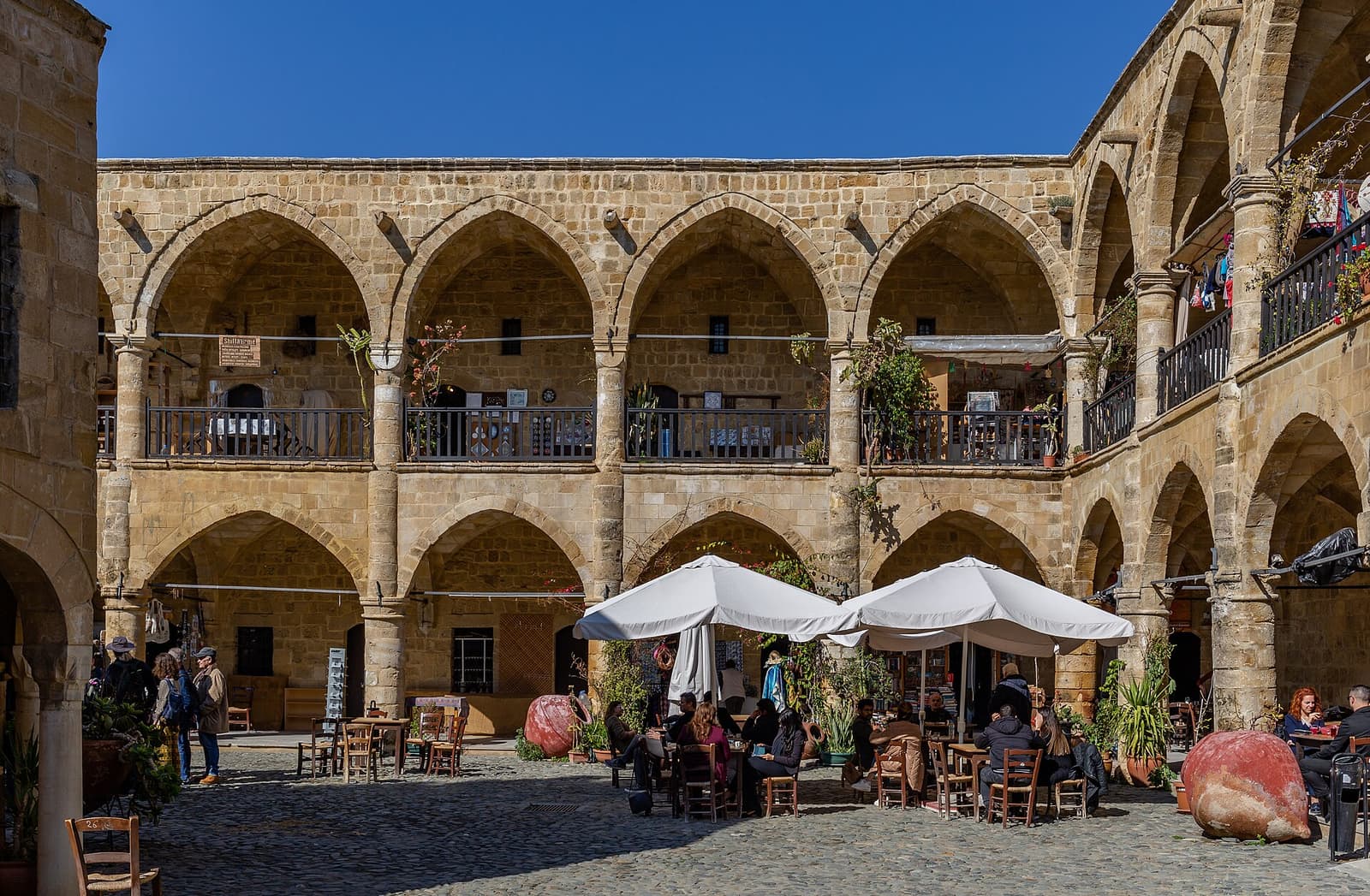
The “Great Inn”, built by the Ottomans in 1572, is the finest caravanserai in Cyprus: two storeys of arcaded rooms around a courtyard with a small mosque in the middle. Today it houses cafés and craft shops.
Practical: North side, a few minutes’ walk from the Ledra crossing. Free.
7 Leventis Municipal Museum
A well-presented museum of the city’s own history, from prehistory to the present, inside a restored mansion off Ledra Street — a good introduction before you explore.
Practical: Check opening days and admission (it has often been free). Allow an hour.